Our nutrition

Image of lean meat and vegetables presented on table

Beef and lamb are well known as protein foods, but nutritionally they provide more than protein alone. Lean beef and lamb provide high-quality complete protein and contribute important nutrients including iron, zinc and vitamin B12. They can be enjoyed in appropriate portions as part of varied meals that include vegetables, wholegrains, legumes and other nutritious foods. 

Red meat’s contribution to our diet 

image of animated atom

Beef and lamb provide all nine essential amino acids. These are the amino acids the body cannot make itself and needs to obtain from food to support normal growth, maintenance and repair.

Protein quality is not determined only by the total grams of protein in a food. It also reflects its amino acid profile, digestibility and how well it can meet the body’s essential amino acid needs.

(Source: Food and Agriculture Organization of the United Nations – PDF, 450 KB)

Image of clipboard

Beef and lamb provide iron, including haem iron. Iron is needed for red blood cell and haemoglobin formation, oxygen transport, normal energy metabolism and cognitive function. Haem iron is generally more readily absorbed by the body than non-haem iron found in plant foods.

Plant foods also contribute iron, and eating a variety of iron-containing foods is important.

(Source: Hurrell R, Egli I. – PDF, 450KB) 

image of animate person holding dumbbell above head

Beef and lamb also provide zinc. Zinc supports immune function, growth and development, wound healing, and the production of proteins and DNA. 

The amount of zinc absorbed from food is influenced by the overall meal, and zinc from animal-source foods is generally well absorbed. 

(Source: Roohani N, Hurrell R, Kelishadi R, Schulin R.

icon representing vitmin bill and states B12

Beef and lamb naturally provide vitamin B12. Vitamin B12 is needed for normal red blood cell formation, neurological function, DNA synthesis and normal energy metabolism. It occurs naturally in animal-source foods and is not naturally present in plant foods, although it may be added to fortified foods and supplements. 

This makes beef and lamb one of several natural food sources of vitamin B12 within an omnivorous diet. 

(Source: Watanabe F, Bito T.

Part of a balanced diet

image depicting meat steak and health tick of approval

New Zealand eating guidance recommends eating less than 500 grams of cooked red meat a week.

The amount eaten is only one part of the overall meal. Beef and lamb can be combined with plenty of vegetables, legumes, wholegrains and other fibre-rich foods. 

(Source: Ministry of Health

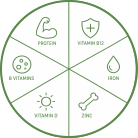
image showing wheel of health benefits from eating meat

Nutrient needs and appetite vary across life. During periods of growth, pregnancy, healthy ageing or reduced appetite, it may be particularly important to choose foods that provide quality protein and essential vitamins and minerals in relatively small amounts. 

Lean beef and lamb are one food option that can contribute high-quality protein, iron, zinc and vitamin B12 as part of a varied diet. 

(Source: Beal T, Manohar S, Miachon L, Fanzo J.

Explore the resources